Reason 5: Contains Betalains (Powerful Antioxidants)
Purslane contains betalains—the same class of pigments that give beets their deep red color. These compounds are:
-
Potent antioxidants
-
Anti-inflammatory
-
Potentially protective against certain cancers
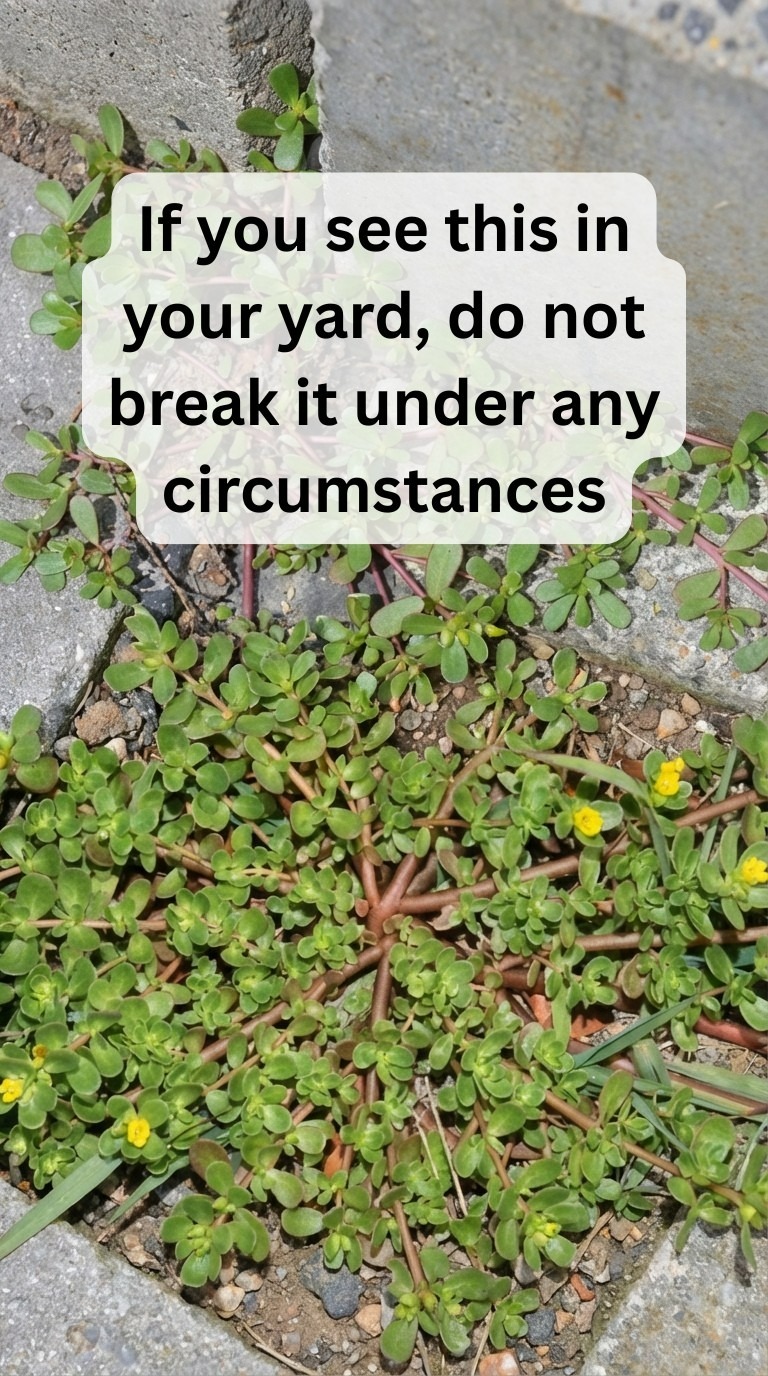
The reddish stems of purslane are particularly rich in these compounds.
Reason 6: High in Melatonin for Better Sleep
The fact: Purslane is one of the few plant sources of melatonin, the hormone that regulates sleep-wake cycles.
Why it matters: Eating purslane may help:
-
Improve sleep quality
-
Support circadian rhythms
-
Fight oxidative stress during sleep
Reason 7: Supports Heart Health
The combination of nutrients in purslane makes it exceptionally heart-friendly:
-
Omega-3s – Reduce inflammation and support healthy cholesterol
-
Potassium – Helps regulate blood pressure
-
Magnesium – Supports blood vessel function
-
Antioxidants – Protect arteries from damage
Traditional use: In Greek medicine, purslane has long been used to support heart health.
Reason 8: It's Free and Grows Like Crazy
This might be the best reason of all: purslane costs nothing and grows abundantly.
-
It thrives in poor soil
-
It needs little water
-
It spreads easily
-
You can harvest it all season
-
It grows back after cutting
What other superfood can you harvest for free from your own garden?
How to Eat Purslane
Purslane has a mild, slightly tangy, lemony flavor with a hint of pepper. The leaves and stems are both edible. The stems are slightly crunchier; the leaves are tender.
Raw:
-
Toss into salads for a succulent, crunchy texture
-
Add to sandwiches or wraps
-
Blend into smoothies
-
Use as a garnish
Cooked:
-
Sauté with garlic and olive oil (like spinach)
-
Add to soups and stews at the end of cooking
-
Stir into omelets or frittatas
-
Mix into pasta dishes
-
Add to curries
Pickled:
Purslane stems can be pickled like cucumbers for a tangy treat.