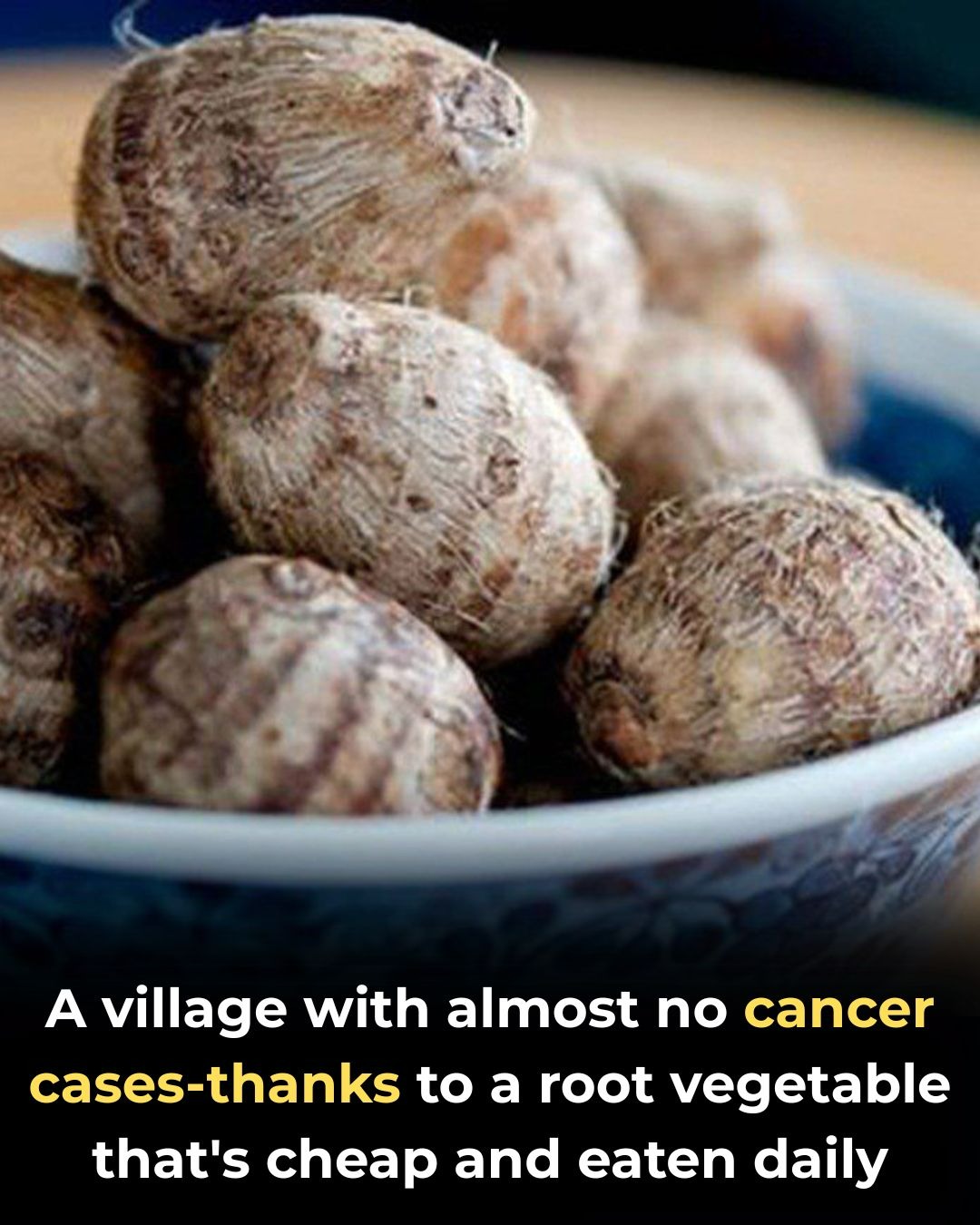
So, what does science have to say about the cancer-preventive potential of root vegetables like taro? The evidence is compelling, though it doesn't point to a single "magic bullet."
Root vegetables are nutritional powerhouses. As they grow underground, they absorb a wealth of nutrients and biologically active chemicals from the soil . This makes them rich sources of:
-
-
Fiber: Essential for healthy digestion, which helps ward off cancers of the digestive tract, such as colorectal cancer .
-
-
-
Antioxidants: Compounds like polyphenols and flavonoids that neutralize harmful free radicals, which can damage cells and lead to cancer .
-
Alkaline Minerals: Taro, for example, is an alkaline food. Some theories suggest that maintaining a slightly alkaline body pH can help create an environment less conducive to the development of cancer cells .
-
-
-
Immune-Boosting Compounds: Taro contains a mucilaginous protein that, when absorbed, can help the body produce immunoglobulins (antibodies), thereby strengthening the immune system's ability to fight off illness, including potentially cancer .
-
-
Potassium: Vital for heart health and blood pressure regulation, taro is particularly high in potassium, with some experts suggesting that eating it regularly could significantly reduce the risk of stroke .
A scientific overview of root vegetables confirms that they are "storehouses" of these bioactive ingredients, including carotenoids, polyphenolics, and other compounds with demonstrated anticancer, antioxidant, and immune-regulating functions .
The Bigger Picture: A Dietary Pattern, Not a Single Food
The real lesson from villages like Lipu isn't to fixate on one "miracle" food. It's about the power of an entire dietary pattern.