Nail Appearance and Self-Image
For many people, nails are tied to identity and confidence. Clean, shaped nails may boost self-esteem. On the other hand, visibly dirty nails can affect how someone feels socially.
People may hide their hands in social situations if they feel embarrassed. This can impact body language and confidence.
However, confidence should not be based solely on appearance. Dignity is not determined by the cleanliness of someone’s nails.
Compassion vs. Criticism
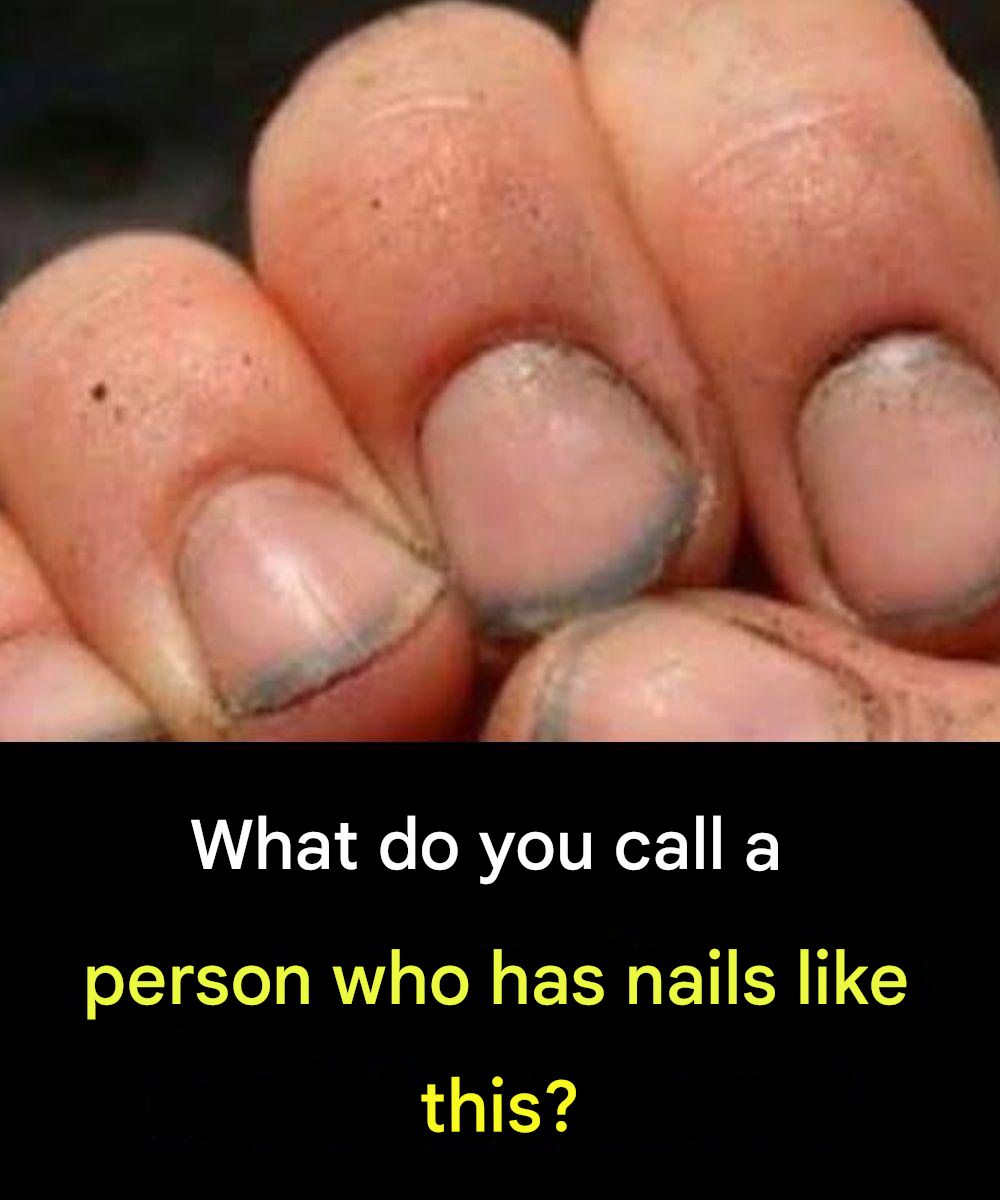
Instead of asking, “What do you call a person who has nails like that?” perhaps a better question is:
“What might this person be going through?”
Compassion shifts perspective. It reminds us that people are more than surface details.
If someone you know struggles with hygiene, support is more helpful than shame. Encouragement, education, and empathy can make a difference.
Teaching Good Nail Hygiene
For children and adolescents, learning nail hygiene early is important. Parents and schools can teach:
Proper handwashing techniques
The importance of trimming nails
Why nails collect dirt
How germs spread
Building these habits early creates lifelong routines.
When Dirty Nails Signal a Health Condition
In some cases, nail discoloration may not be dirt at all. It could indicate:
Fungal infections
Vitamin deficiencies
Circulatory problems
Skin disorders
Smoking stains
Chemical exposure
This highlights the importance of not assuming. What looks like dirt may be a medical issue requiring attention.
Social Media and Viral Images
Images like the one shown often circulate online with captions designed to provoke reaction. They may encourage viewers to judge quickly or assign labels.
But viral content rarely shows context. We see the nails, not the life behind them.
The internet often simplifies complex human realities into one-liners. Real life is never that simple.
Respect for Manual Labor
There is dignity in work. Dirt under the nails of someone who has spent hours building, planting, repairing, or creating should not be a source of shame.
Society often benefits from the labor of people whose hands are not perfectly clean. Roads, houses, food, machinery—much of what we rely on daily exists because of hands that get dirty.
Calling such a person “dirty” misses the bigger picture.
Personal Responsibility and Balance
While compassion is essential, personal responsibility also matters. Basic hygiene is important for:
Self-respect
Health
Social interaction
Professional opportunities
The ideal balance is understanding context while still encouraging healthy habits.
A Better Answer to the Question
So what do you call a person who has nails like that?
You could call them:
A worker
A builder
A gardener
A mechanic
A survivor
A busy parent
A struggling individual
Or simply… a human being
Labels often reveal more about the observer than the person being observed.
The Deeper Lesson
This question is not really about nails.
It is about judgment.
It is about how quickly we categorize people based on appearance.
It is about whether we choose criticism or curiosity.
When we see something that looks unpleasant or imperfect, we can rect in two ways:
Judge.
Understand.
Understanding requires effort. Judgment is instant.
Practical Nail Care Tips
For those wanting to maintain clean nails, here are simple steps:
Wash hands frequently with soap and warm water.
Use a nail brush to remove dirt.
Trim nails weekly.
Moisturize cuticles.
Avoid biting nails.
Wear gloves during heavy labor.
Disinfect tools used for grooming.
These small actions improve hygiene without requiring expensive products.
Breaking Stereotypes
A person with polished nails can still be dishonest. A person with dirty nails can be honest and hardworking.
External cleanliness does not guarantee internal character.
We must be careful not to equate appearance with morality.
Final Reflection
The image of dirty nails might provoke discomfort. It might trigger assumptions. But behind every pair of hands is a life story.
Instead of asking, “What do you call a person who has nails like that?” perhaps we should ask:
“What kind of work have those hands done today?”
“What burdens have they carried?”
“What challenges have they faced?”
The most accurate and humane answer is this:
You call them a person.
A person with hands that show evidence of living, working, struggling, creating, or surviving.
And every person deserves dignity, regardless of the condition of their nails.
Conclusion
Dirty nails can symbolize many things—hard work, neglect, struggle, or simply a moment in time. They are not a reliable measure of worth or character. Hygiene matters for health and social reasons, but judgment without context harms more than it helps.
The next time you see nails like those in the image, pause before labeling. Choose empathy. Choose curiosity. Choose respect.
Because sometimes, the dirt under someone’s nails is proof not of carelessness—but of effort.