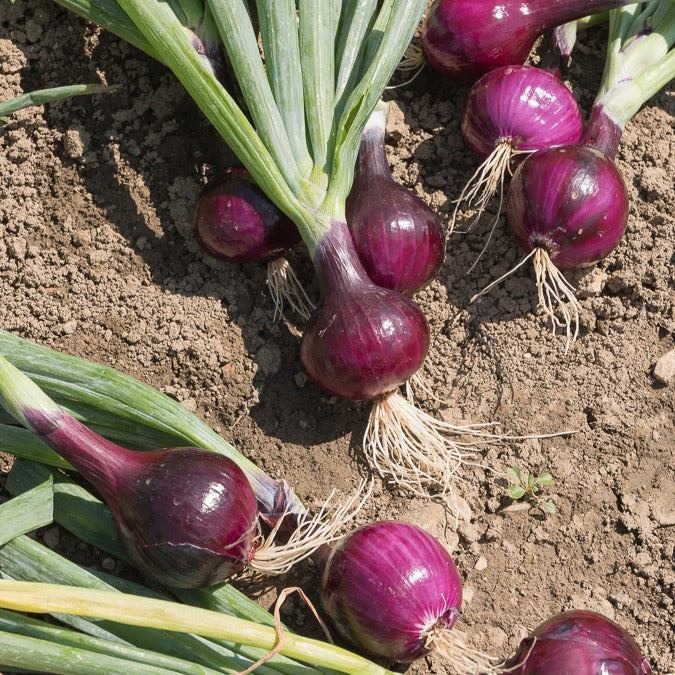
You’re absolutely right—onions are far more than just a flavor base. For thousands of years, they’ve been revered not only for their ability to deepen the taste of soups, stews, and sauces, but also for their remarkable medicinal properties. From ancient Egypt to Ayurvedic and Traditional Chinese Medicine, onions have been used to treat everything from respiratory infections to digestive complaints.
Modern science now confirms what traditional healers long knew: onions are a nutritional powerhouse. Here’s why you should celebrate this pungent allium—not just for taste, but for health.
💚 7 Science-Backed Health Benefits of Onions
1. Rich in Antioxidants
Onions—especially red and yellow varieties—are loaded with quercetin, a potent flavonoid antioxidant that:
- Fights inflammation
- May lower blood pressure
- Supports heart health
- Has anti-allergy and antihistamine effects
📊 Red onions contain up to 8x more antioxidants than white onions.
2. Supports Heart Health
Compounds in onions help:
- Reduce LDL (“bad”) cholesterol
- Inhibit blood clot formation
- Improve artery flexibility
- Lower triglycerides
Regular consumption is linked to a reduced risk of heart disease.
3. Natural Anti-Inflammatory
The sulfur compounds and quercetin in onions help calm chronic inflammation—a root cause of arthritis, diabetes, and autoimmune conditions.
4. Blood Sugar Balance
Onions contain chromium and sulfur compounds that may:
- Enhance insulin sensitivity
- Lower fasting blood glucose (studies show effects in as little as 4 hours!)
- Support management of type 2 diabetes
5. Gut Health & Prebiotic Power
Onions are rich in inulin and FOS (fructooligosaccharides)—prebiotic fibers that feed beneficial gut bacteria, promoting:
- Better digestion
- Stronger immunity
- Improved nutrient absorption
6. Immune & Respiratory Support
Traditionally used for colds and coughs, onions:
- Have antibacterial and antiviral properties
- Help loosen mucus (why onion syrup is a folk remedy for bronchitis)
- Boost white blood cell activity
7. Potential Cancer-Protective Effects
Population studies link high onion (and garlic) intake with a lower risk of stomach, colorectal, and prostate cancers, likely due to organosulfur compounds that:
- Block cancer cell growth
- Activate detox enzymes
- Reduce oxidative stress
🧅 Maximizing the Benefits: Tips for Cooking & Eating
- Eat them raw when possible: Quercetin and enzymes are most potent uncooked (think salsas, salads, sandwiches).
- Don’t discard the outer layers: The highest antioxidant concentration is just under the peel—use organic onions and chop finely (skin included in stocks is fine!).
- Cook gently: Sautéing or caramelizing preserves many benefits; boiling leaches nutrients into water.
- Pair with healthy fats: Quercetin is fat-soluble—eat with olive oil, avocado, or nuts for better absorption.
🌿 Traditional Remedies Still in Use Today
- Onion syrup: Simmer chopped onions with honey or sugar—soothes sore throats and coughs.
- Onion compress: Grated raw onion in a cloth applied to the chest—used for congestion.
- Earache relief: A warm (not hot) baked onion wrapped in cloth placed near (not in!) the ear—folk remedy for pain (consult a doctor for infections!).
⚠️ Note: While generally safe, raw onions may cause gas or heartburn in sensitive individuals. Cooked onions are gentler on digestion.
❤️ The Bottom Line
Onions are medicine disguised as food—affordable, accessible, and packed with healing power. Whether you’re caramelizing them for soup, tossing them raw into a salad, or simmering them into a remedy, you’re not just building flavor… you’re building resilience.
“Let food be thy medicine”—and let onions be your first ingredient. 🧅✨
So next time you peel an onion and tears stream down your face, remember: those sulfur compounds causing the sting are the same ones fighting inflammation in your body. It’s not just cooking—it’s care in every layer.