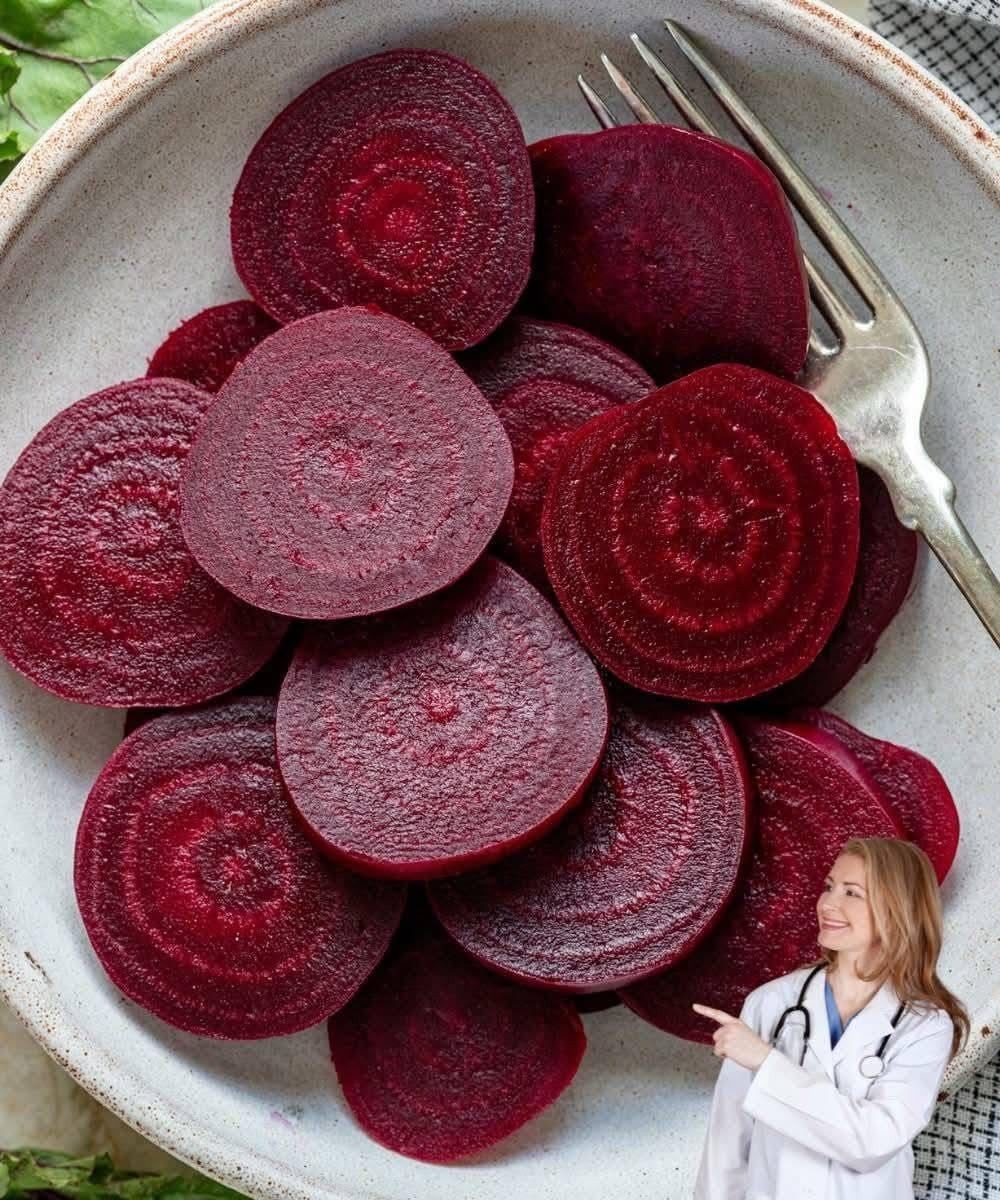
Beets (or beetroot) are more than just a vibrant addition to your plate—they’re a nutritional powerhouse packed with vitamins, minerals, antioxidants, and unique plant compounds that support heart health, brain function, and athletic performance. Whether roasted, juiced, or eaten raw in salads, beets deliver science-backed benefits with every bite.
1. Rich in Essential Nutrients
A 100g serving of raw beets provides:
- Fiber: 2.8g (supports digestion & gut health)
- Folate (Vitamin B9): 27% of the Daily Value (crucial for cell growth and pregnancy)
- Manganese: 16% DV (supports bone health and metabolism)
- Potassium: 9% DV (helps regulate blood pressure)
- Iron & Vitamin C: Enhances iron absorption and immune function
Low in calories (~43 kcal per 100g) yet high in nutrients, beets are a smart addition to any diet.
2. Unique Plant Compounds with Powerful Effects
2.1. Betalains – The Antioxidant Powerhouse
Beets get their deep red-purple hue from betalains, potent antioxidants that:
- Reduce inflammation
- Support liver detoxification
- May protect against oxidative stress and chronic disease
2.2. Nitrates – The Circulation Boost
Beets are one of the richest dietary sources of inorganic nitrates, which your body converts to nitric oxide—a molecule that:
- Relaxes and widens blood vessels
- Improves blood flow and oxygen delivery
- Enhances exercise efficiency
3. Science-Backed Health Benefits
3.1. Lowers Blood Pressure
Multiple studies show that drinking 250ml (about 1 cup) of beet juice daily can reduce systolic blood pressure by 4–10 mmHg within hours—thanks to nitric oxide’s vasodilating effect.
✅ Ideal for those with hypertension—but consult your doctor if on medication.
3.2. Boosts Exercise Performance
Athletes often use beet juice to:
- Increase stamina
- Delay fatigue
- Improve oxygen use during endurance activities
🏃♂️ Effects peak 2–3 hours after consumption—time your intake accordingly!
3.3. Supports Brain Health
Improved blood flow from nitrates may enhance cognitive function, especially in older adults, and potentially slow age-related decline.
3.4. Aids Digestion & Gut Health
The fiber in beets feeds beneficial gut bacteria and promotes regularity—reducing risk of constipation and digestive disorders.
4. Simple Beet Salad Recipe (Maximize the Benefits!)
Ingredients:
- 2 medium cooked beets, cubed (roast or boil with skin on to preserve nutrients)
- 2 cups baby arugula or spinach
- ¼ cup crumbled goat cheese or feta (optional)
- 2 tbsp walnuts or pumpkin seeds
- 1 tbsp extra-virgin olive oil
- 1 tsp apple cider vinegar or lemon juice
- Pinch of salt & black pepper
Why it works:
- Fat (olive oil) helps absorb fat-soluble antioxidants.
- Vitamin C (lemon/vinegar) boosts iron absorption from beets.
- Fiber + probiotics (if adding yogurt) = gut-friendly combo.
💡 Tip: Eat beets raw or lightly cooked to preserve nitrates—prolonged boiling reduces potency.
A Note on “Beeturia”
Don’t be alarmed if your urine or stool turns pink/red after eating beets—this harmless condition (called beeturia) affects ~10–14% of people and is linked to iron metabolism.
❤️ The Bottom Line
Beets are a humble root with extraordinary benefits. From lowering blood pressure to fueling workouts and supporting your microbiome, they’re a delicious way to invest in long-term health.
“Eat the rainbow—and let red lead the way.” 🌈✨
Add beets to smoothies, grain bowls, hummus, or salads—and let their earthy sweetness work its magic.