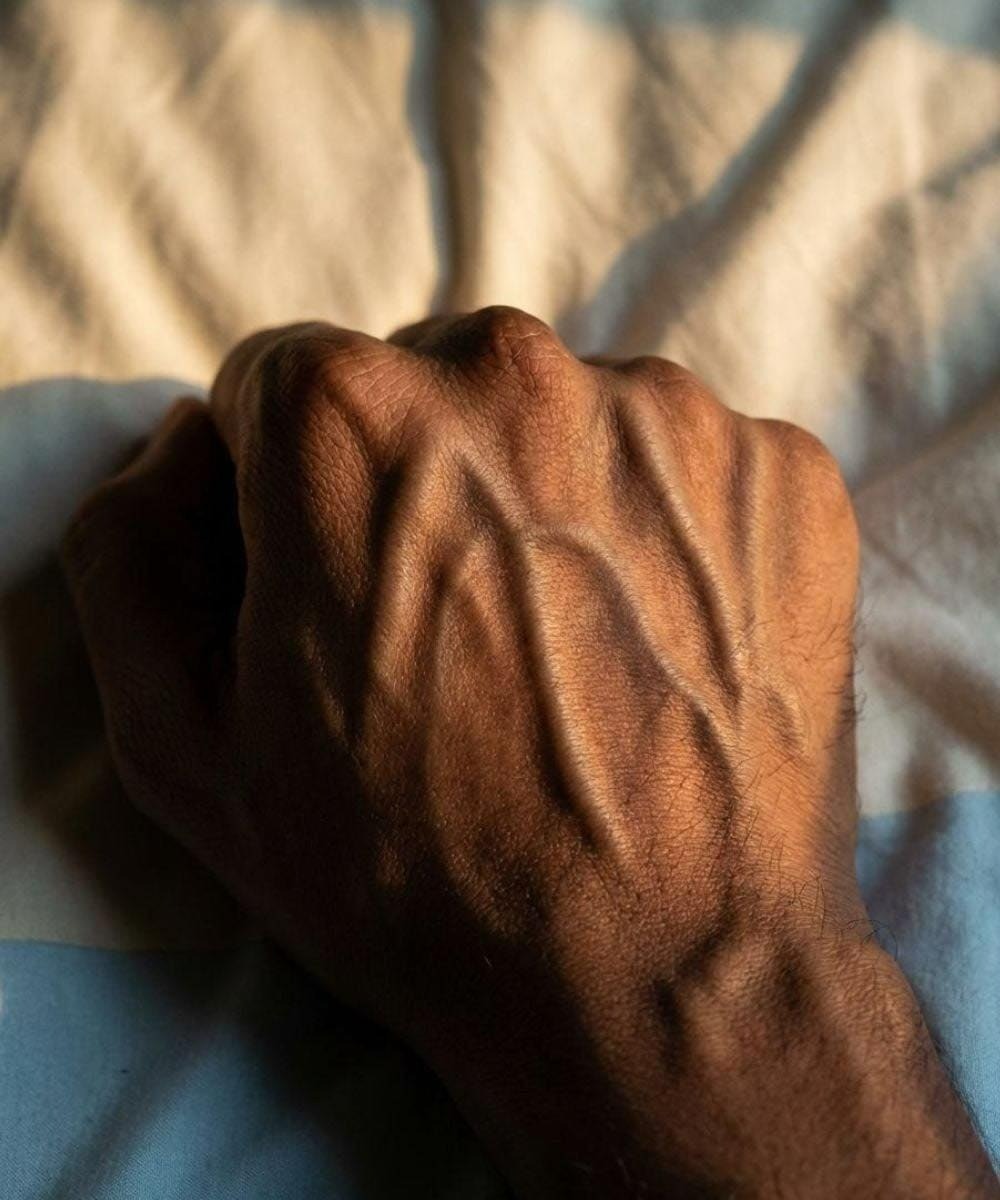
You're washing your face before bed, and there they are—roads and rivers across your hands and forearms that you swear weren't there this morning. Veins that suddenly look like they're ready to audition for a medical textbook.
It's startling. Maybe even a little concerning. Is this normal? Is my circulation failing? Am I dehydrated? Is something wrong?
Take a breath. For the vast majority of people, prominent veins at night are completely normal. Your body isn't sounding an alarm—it's just being a body.
But understanding why this happens can transform worry into simple awareness. And sometimes, just sometimes, those visible veins are worth mentioning to a doctor. Let's talk about both.
The Main Reasons Veins Become More Visible at Night
1. Natural Body Temperature Fluctuations
Your body follows a circadian rhythm—an internal clock that regulates sleep, hormone release, and yes, body temperature.
Throughout the day, your core temperature fluctuates by about 1-2°F. It typically peaks in the late afternoon or early evening, then gradually drops as you prepare for sleep.
When body temperature rises, blood vessels respond by widening—a process called vasodilation. This is your body's way of releasing heat, bringing blood closer to the skin's surface to cool down.
The result: Veins that were comfortably nestled deeper in your tissues expand and move slightly closer to the surface, becoming more visible. It's the same reason you might notice veins more after exercise or on a hot day.
2. Changes in Lighting
This one is pure optics, and it matters more than you'd think.
During the day, natural sunlight is diffuse and even. It wraps around your skin, minimizing shadows and softening contrast. Veins are still there—you just don't see them as clearly.
At night, artificial lighting is different. Overhead lights, bathroom fixtures, and phone screens create sharper shadows and higher contrast. Your veins, being darker than the surrounding skin (bluish, greenish, or purplish), suddenly stand out against the lighter background.
It's not that your veins changed. It's that your lighting did.
3. Gravity and Fluid Shifts
Throughout the day, gravity pulls fluids downward. By evening, fluid has accumulated in your lower arms, hands, and legs. This mild fluid shift can slightly expand veins and make them more prominent.
Conversely, after lying down overnight, fluid redistributes, and morning veins often look less noticeable.
4. Activity Level
Your muscles need more oxygen during activity, so blood flow increases. If you've been using your hands, cooking dinner, typing, or exercising, your veins may remain dilated for hours afterward.